Singapore Travel Guide: Everything You Need to Know Before You Go (From TwoTicketsPlease)
Singapore is one of those cities that makes you feel like you’ve time-travelled. It’s futuristic, ridiculously organised, and somehow still packed with proper character — hawker centres, temples, street art, and neighbourhoods that change vibe in the space of one MRT stop.
But. It’s also hot. Like “why am I sweating while standing still?” hot. And if you don’t plan your days around the heat, the rain, and the fact you’ll want to eat every 20 minutes… you’ll burn out faster than you can say “one more iced kopi, please”.
This is our no-stress, first-timer-friendly guide to Singapore: entry requirements, weather, transport, costs, what to pack, and the tiny local tips that make the trip feel easy.

Singapore in a nutshell (quick facts)
- Language: English is widely spoken (you’ll be absolutely fine)
- Currency: Singapore Dollar (SGD)
- Power plugs: Type G (same as the UK) + 230V
- Time difference (UK): Singapore is usually +8 hours vs GMT (and +7 hours vs BST)
- Getting around: MRT + buses are clean, fast, and air-con heaven
- Best first-trip length: 3–5 days (3 is perfect for the highlights)
If you’ve only got 3 days: start with our 3-day Singapore itinerary (it’s built like a proper “copy/paste and go” plan).
Contents
Entry requirements (UK travellers + SG Arrival Card)
Let’s keep this simple and not scary. For most UK travellers, Singapore is easy — but there are a couple of non-negotiables you don’t want to discover at the airport check-in desk.
Do UK citizens need a visa for Singapore?
Usually no. British citizens can typically visit Singapore for tourism or business without a visa, and the stay is normally somewhere between 30 and 90 days (it’s ultimately decided by the immigration officer).
Our real-world advice: travel with a return/onward plan, keep your accommodation details handy, and don’t assume you can “wing it” for months. Singapore is chill… but the admin is strict.
SG Arrival Card (SGAC): what it is and when to do it
You’ll need to complete the SG Arrival Card (SGAC) online within 3 days before you arrive. It’s free and it’s not a visa — think of it like Singapore’s “we need your details in advance” form.
- Do it online (or via the official MyICA app)
- Don’t pay anyone to “help” you submit it
- Don’t leave it until you’re boarding (the airport Wi-Fi always chooses violence)
Our move: we do it the moment we check in online for the flight — one less thing to think about when you’re half asleep and sweating through your hoodie.
Yellow fever certificate (only for certain routes)
This is only relevant if you’ve been in a yellow fever risk country in the days before arriving. If that’s you, you may need proof of vaccination. If it’s not you, ignore this line and carry on with your life.

Best time to visit Singapore (weather + seasons)
Singapore doesn’t really do “seasons” the way the UK does. It’s more like: hot, humid, and occasionally dramatic sky water.
The good news is that Singapore is a year-round destination. The slightly annoying news is that you’ll probably experience at least one rain shower no matter when you go… and you’ll still sweat afterwards. Humidity is undefeated.
The wettest period (roughly Nov–Jan)
Singapore’s Northeast Monsoon typically runs through to around March, and the wetter stretch is often late-year into early-year. This doesn’t mean “constant rain every minute” — it means you’re more likely to get prolonged, heavier rain and the occasional “monsoon surge” day where you plan your entire existence around covered walkways.
The “easiest” months to plan around
If you want the simplest trip, aim for periods where the weather is still warm but slightly less chaotic. In practice, a lot of people like Feb–Apr and Jun–Aug because it’s easier to plan outdoor days without feeling like you’re battling the sky.
But honestly: the best time is when flights are cheap, you can get the hotel you want, and you’re mentally prepared to carry a small umbrella like it’s part of your personality.
Heat strategy (we learned this the sweaty way)
- Do outdoor stuff early (Gardens, walks, viewpoints)
- Plan “air-con breaks” into the day (museums, malls, cafés)
- Hydrate like it’s your job
- Accept that you’ll change clothes more than once a day
Getting around Singapore (MRT, buses, Grab + fares)
Singapore transport is one of the best “tourist cheats” in the world. The MRT is fast, clean, easy to navigate, and the air con feels like someone is personally looking after you.
MRT + buses
Most first-timers will be using MRT + occasional bus rides. If you’re staying central (Bugis, Chinatown, Marina Bay, Orchard-ish), you’ll barely need anything else.
- Payment: you can tap in/out with a contactless bank card or mobile wallet (SimplyGo), or use stored-value cards.
- Fares: they’re distance-based, and typically “a couple of dollars” per ride for most tourist journeys.
Our honest tip: if you can use your normal contactless card on transport, do that. One less thing to manage. Just keep an eye on foreign transaction fees if your bank charges them.
Grab / taxis
Grab is Singapore’s “we’re done walking” button. It’s also your rain escape plan when the sky opens and you’re standing there like a wet rat holding a bubble tea.
- Great for late nights
- Great when humidity wins
- Great when you’re dressed nicely and refusing to arrive shiny
Airport transfers
Changi is super connected by MRT (depending on your route and luggage situation). If you’re arriving late or you’re hauling a suitcase the size of a small fridge, Grab/taxi is the easy option.

Money, costs + tipping (what to expect)
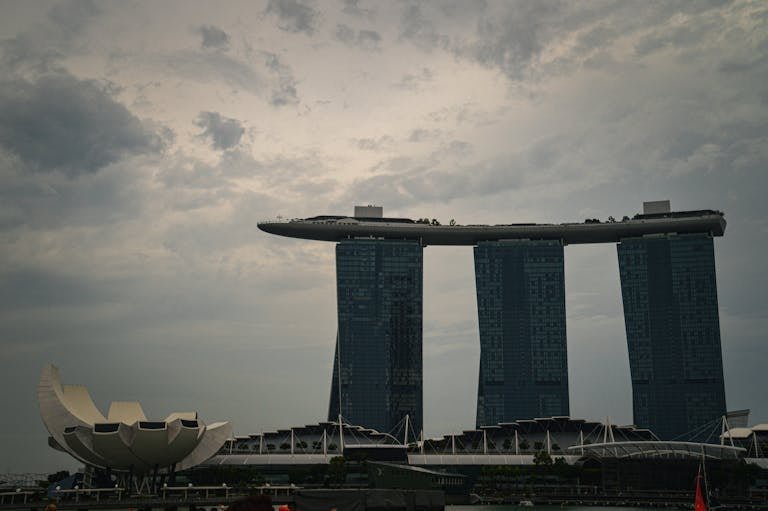
Singapore can be shockingly affordable day-to-day if you eat at hawkers and use public transport… but it can also destroy your bank account in one afternoon if you say “let’s just do Marina Bay Sands properly” and black out in a rooftop bar.
Is Singapore expensive?
It depends how you travel:
- Budget-ish: Hawker meals, MRT, free sights, mid-range hotel = totally doable
- Mid-range: Mix of hawkers + restaurants, a couple of paid attractions, nicer hotel = comfortable and fun
- Luxury: Rooftops, fine dining, Marina Bay Sands, private tours = Singapore is READY to accept your money
GST (tax) in Singapore
Singapore’s Goods & Services Tax (GST) is currently 9%. You’ll usually see this reflected in pricing and/or added at checkout depending on the business.
Do you tip in Singapore?
Tipping isn’t a big thing in Singapore. A lot of restaurants add a service charge (often around 10%) — so you generally don’t need to add extra unless you genuinely want to.
Our approach: we don’t tip by default. If someone goes above and beyond, we’ll round up or leave a small amount — but we don’t do it out of pressure.
SIMs, eSIMs + apps we actually use
Singapore is built for being connected. Wi-Fi is common, but having mobile data makes life smoother (maps, MRT directions, booking tables, Grab, translating menus when your brain has melted).
SIM vs eSIM
If your phone supports eSIM, it’s usually the easiest option — you can set it up before you fly and land with data ready. If not, physical SIMs are easy to grab at the airport or convenience stores.
Apps worth downloading
- Grab (ride-hailing + sometimes food delivery)
- Google Maps (obvious, but essential)
- SimplyGo (optional, useful if you want to track transport taps/fare history)
- Grab a notes app list: we always keep one “Singapore – SAVE ME” list with food spots, bars, and anything we don’t want to forget
Where to stay in Singapore (quick neighbourhood cheat sheet)
If you want the short version: stay somewhere central and walkable, near an MRT station, with food nearby. Singapore is small, but your feet will still feel personally attacked by Day 2.
- Bugis / Kampong Glam: stylish, central, great cafés, easy transport
- Chinatown: great food, lots of character, easy access to Marina Bay and Clarke Quay
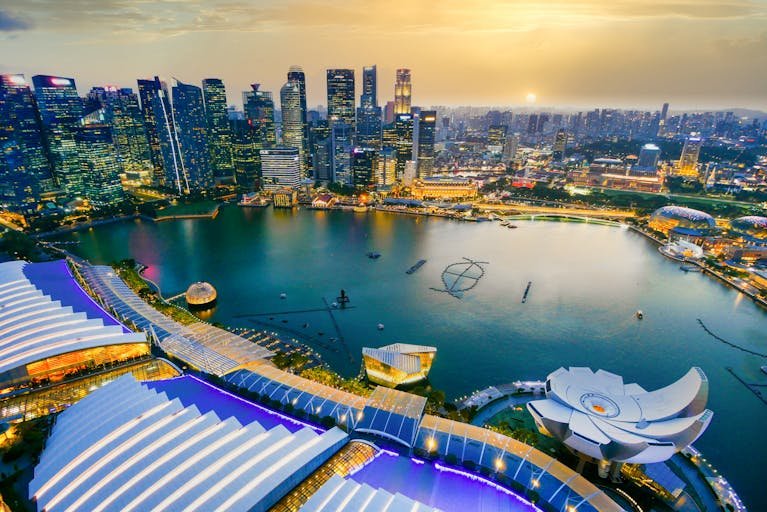
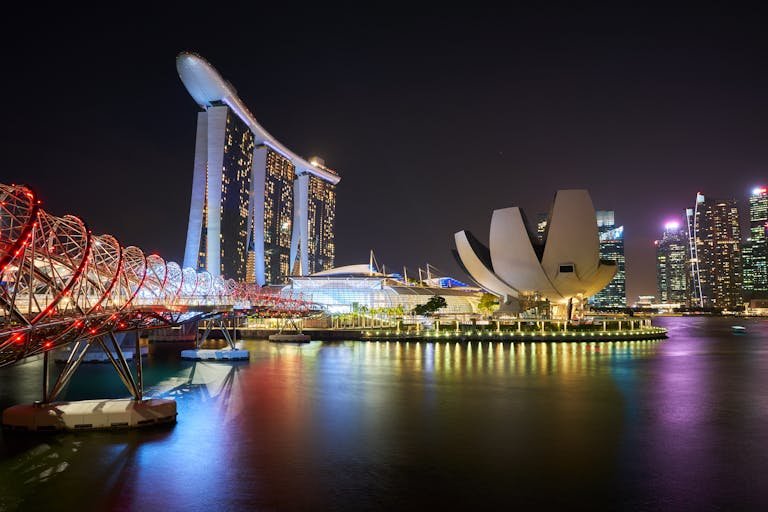
- Marina Bay: iconic skyline, most “Singapore postcard” vibe (but pricier)
- Orchard: shopping heaven + good hotels + easy MRT links
- Sentosa: resort/beach vibes (best if you want a “holiday holiday” feel)
We’ve got a full guide with hotel picks (luxury, mid-range, budget) here: Where to Stay in Singapore.
What to pack for Singapore (hot, humid, surprise rain)
If you pack like you’re going to Europe, Singapore will humble you. Quickly.
The essentials (don’t skip these)
- Breathable clothes (linen people, this is your time)
- Comfy shoes (you’ll walk more than you think)
- Small umbrella (rain appears like a jump scare)
- Refillable water bottle (you’ll thank yourself)
- Light layer for malls/MRT (air con can be aggressive)
- Sun protection (cap, SPF, sunglasses — the sun does not negotiate)
Nice-to-haves (that feel like life hacks)
- Mini deodorant / wipes for mid-day resets
- Portable charger (your phone will be doing the most)
- Anti-blister plasters (we don’t learn this lesson gracefully)
Local laws & etiquette (the “don’t ruin your holiday” bit)
Singapore is incredibly safe and easy to travel — but it’s also famously strict. The vibe is: “have an amazing trip, just don’t do anything silly.”
Don’t bring these into Singapore
Some items are prohibited or restricted. A few that catch tourists out:
- Vapes / e-cigarettes (seriously — don’t pack it “just in case”)
- Chewing gum (don’t try to be clever about it)
- Drugs (Singapore is not the place for “but it’s legal where I live” energy)
Hawker centre etiquette
- Return your tray (this is not optional energy)
- Queues matter — don’t cut, don’t hover, don’t pretend you didn’t see the line
- If you see a table “reserved” with tissues or a card, that’s a local thing (chope) — assume it’s taken
Smoking rules
Singapore is strict on smoking. Stick to designated areas and don’t assume you can just wander around with a cigarette like you’re on holiday in 2006.
Next steps (so you can actually plan the fun bit)
If you’re building your trip right now, these three posts are the perfect “next tabs to open”:
FAQs
Is Singapore worth visiting?
Yes. Even if you’re normally a “cities stress me out” person, Singapore is an easy win: safe, clean, transport is simple, food is unreal, and it’s the perfect gateway into the rest of Asia.
How many days do you need in Singapore?
For first timers: 3 days is ideal for the highlights. If you want Sentosa, day trips, and slower exploring, go for 4–5 days.
Do I need cash in Singapore?
Not much. Singapore is very card-friendly. That said, we still keep a small amount of cash for hawkers or small purchases — just in case.
Is Singapore safe?
Singapore is one of the safest-feeling cities we’ve travelled in. Still: don’t leave your phone on a café table and walk off like you’re in a Disney film. Be normal, be sensible, enjoy your trip.